For millions of Americans, Social Security benefits are not just a supplement — they are a primary source of monthly income. That is why even small changes in payment timing can create questions and, at times, confusion.
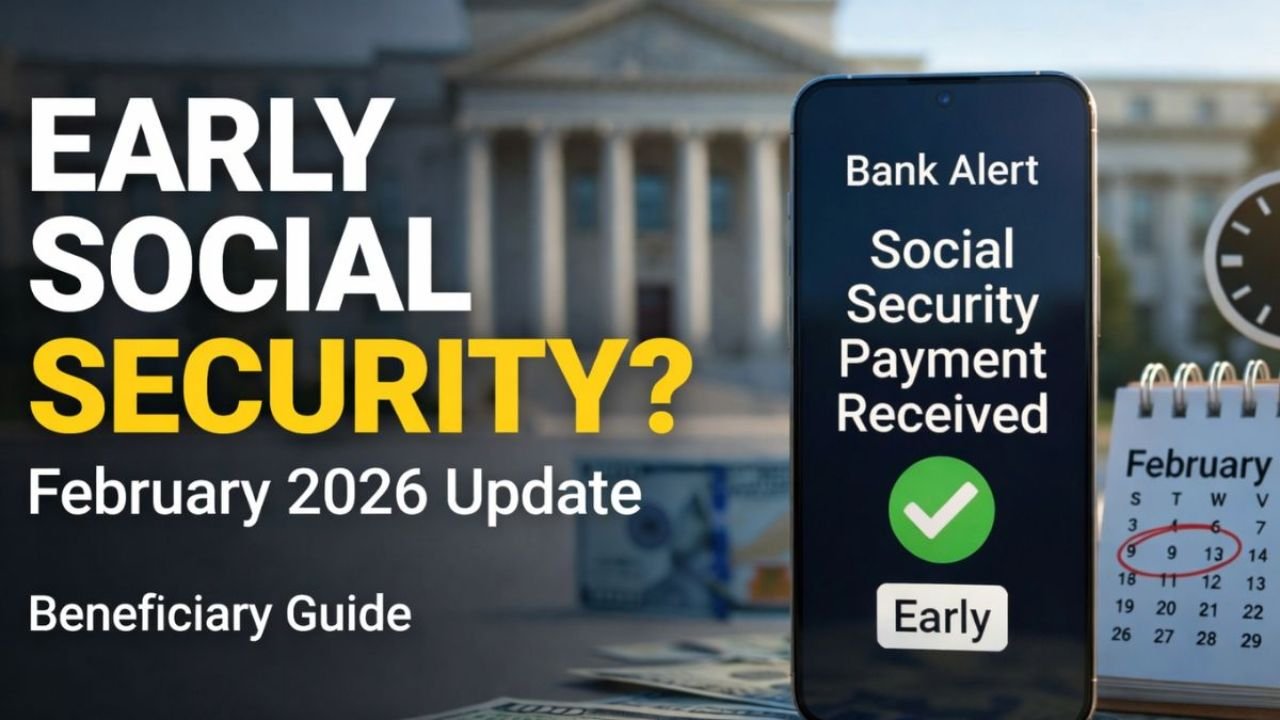
In February 2026, some beneficiaries may notice their payment arriving earlier than usual. This shift is related to scheduling logistics, not a benefit increase, bonus, or special program. Understanding how and why this happens can help recipients plan confidently and avoid unnecessary concern.
How the Social Security Payment Schedule Normally Works

Social Security does not send all payments on a single day. Instead, deposits are staggered throughout the month. This system allows millions of transactions to be processed efficiently while maintaining stability across banking networks.
For most retirement, disability, and survivor beneficiaries, payment dates are tied to birth dates:
- Birth dates early in the month receive payments on one designated Wednesday
- Mid-month birthdays receive payments on a later Wednesday
- Late-month birthdays receive payments toward the end of the month
Some long-term beneficiaries or individuals receiving certain combined benefits follow a fixed earlier schedule. These payment structures are predictable and repeat monthly under normal circumstances.

However, calendar alignment occasionally requires adjustments.
Why Some February 2026 Payments May Arrive Early
The February 2026 early payment situation is primarily tied to scheduling and processing considerations.
When payment cycles align closely with weekends, holidays, or heavy processing periods, adjustments may be made to ensure funds are delivered without delay. Rather than risk late deposits, systems may release payments slightly earlier.

For some recipients, this could mean receiving funds around mid-February instead of later in the month.
It is important to emphasize:
- The payment amount does not change
- No additional funds are added
- No new benefit program is being introduced
This is purely a timing adjustment to maintain operational efficiency.
Who May See the Early Deposit
Not every beneficiary will receive an early February payment. Adjustments apply only to specific scheduling groups based on internal payment cycles.
Individuals whose regular payment date falls later in the month are more likely to see a shift. Retirement beneficiaries, disability recipients, and survivor benefit recipients could all be included — but only if their assigned schedule aligns with the adjustment window.
Electronic payment recipients are most likely to notice timing changes because digital transfers can be processed more flexibly than mailed checks.
If your payment arrives on your usual date, that is completely normal.
What If Your Payment Stays on the Regular Schedule?
Many beneficiaries will continue receiving their February payment on their standard date. There is no penalty, reduction, or delay associated with remaining on the regular schedule.
The Social Security system is intentionally structured with staggered payment groups to keep processing balanced. Differences in timing across recipients are built into the design.
In most cases, regular scheduling resumes fully the following month once calendar pressures pass.
Seeing someone else receive funds earlier does not indicate an error in your account.
How Payment Method Affects Timing
Your chosen payment method significantly influences how quickly funds appear.
Direct Deposit
Electronic bank transfers are the fastest and most reliable method. When payments are released early, direct deposit recipients typically see funds reflected in their accounts immediately on the processing date.
Government Benefit Debit Cards
These often follow a similar electronic timeline, though posting times may vary slightly depending on the financial institution.
Paper Checks
Mailed payments are the slowest option. Even if a check is issued early, postal delivery can offset that advantage. Weather, holidays, and regional mail volume can all affect arrival times.
For predictable and efficient delivery, electronic options remain the preferred choice.
How to Confirm Your February Payment Date
There is no need to rely on rumors or social media speculation. The most accurate way to verify your payment timing is through your official Social Security online account.
Inside the secure portal, beneficiaries can:
- View scheduled payment dates
- Review benefit amounts
- Confirm banking information
- Check deposit history
Regularly reviewing account details also helps identify outdated bank information or other administrative issues that could cause delays.
Keep in mind that some banks post deposits at different times during the day. If funds are not visible early in the morning, they may still appear later that same day.
What to Do If You Expect an Early Payment and Do Not See It
If you believe you were scheduled for an early February deposit but have not received it, start by confirming your assigned payment date in your official account.
In many cases, beneficiaries assume they are part of the early group when they are not.
If your account shows that payment should have arrived, allow at least one full business day before taking further action. Banks sometimes experience brief posting delays even after funds are released.
If the delay continues beyond that window, contacting your financial institution is typically the first step. Most issues are resolved quickly and are related to processing timing rather than missing payments.
Budget Planning When Payments Arrive Early
An early deposit can feel like unexpected extra income. However, it is simply your regular monthly benefit arriving ahead of schedule.
That means the gap until the next payment may feel slightly longer.
For households operating on tight monthly budgets, this timing difference requires careful planning. Spending too quickly after an early deposit may create pressure later in the cycle.
Treating the early payment exactly like a regularly scheduled deposit helps maintain stability.
Awareness is the key to smooth financial management.
Clearing Up Common Misunderstandings
Whenever payment timing changes, misinformation spreads quickly. Some online posts may describe early deposits as:
- Bonus payments
- Emergency relief funds
- New government programs
These claims are inaccurate. Payment amounts remain unchanged.
Another misconception is that every beneficiary should receive funds early. In reality, only selected payment groups are adjusted based on scheduling needs.
Different dates across recipients are entirely normal within the system’s design.
The Bottom Line
The February 2026 early Social Security payment adjustment is a calendar-driven scheduling change — not a benefit increase.
Some beneficiaries may receive their funds around mid-February instead of later in the month. Others will remain on their usual payment date. Both outcomes are normal.
By verifying payment details through official account tools, keeping financial information updated, and planning budgets carefully, beneficiaries can manage this timing shift with confidence.
Clear information and steady planning remain the most reliable safeguards against confusion.